Success stories
When being 61 becomes a competitive advantage
The story and what it shows
Updated: November 2026. The story appeared in Fokus Swiss magazine on 11 December 2025. A version is available at carero.ch. We summarise it here in our own words.
The scene: A 61-year-old chauffeur is loading machine parts in southern Italy. Then one unexpected problem follows another: a missing ramp, traffic jams, customs clearance problems and an expired permit. The chauffeur stays calm and gets things sorted. His name is not given.
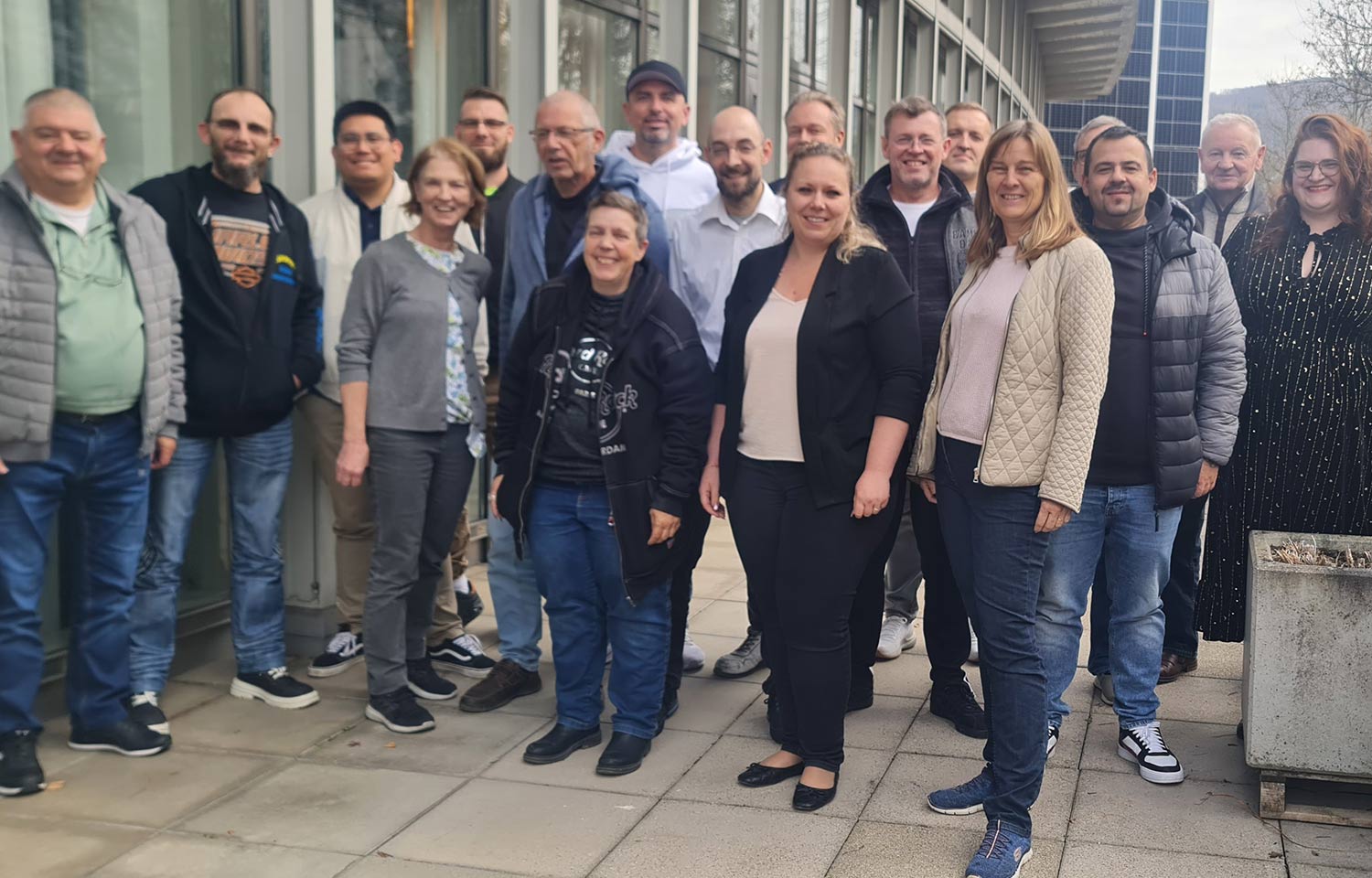
The company: DCL Transport GmbH in Allschwil has around 25 employees, about a third of whom are over 60. Company director Christian Witwicki puts the chauffeur’s composure down to experience, which he says is highly valuable in the transport business. For him, older employees are mentors, motivators and role models, not a last resort. According to the article, younger employees bring digital know-how and new ways of working. The article also says that many DCL employees were placed through SeniorsAtWork, now CARERO by SeniorsAtWork. It doesn’t say how the chauffeur himself got his job.
The article also gives some figures: according to Seco and the FSO, Switzerland will be short of more than 430,000 skilled workers by 2030. In a 2025 survey by von Rundstedt and HR Today, 77% of HR professionals say they observe age discrimination. 68% see targeted recruitment of people aged 55 and over, but only 20% recognise such a strategy in their own company. We have taken these figures from the article and have not recalculated them ourselves.
The story shows that some employers actively seek experience. It doesn’t say how common they are. Your advantage: you don’t have to argue against a prejudice. You can tell a story about a time when your experience solved a problem. That’s more powerful than any claim about your age.
Tell your experience as a story
The article opens with a story, not a statistic. You can do the same. A short story sticks in people’s minds and demonstrates composure, sound judgement and responsibility without you needing to use those words.
Let’s take Brigitte, 58, a purchasing administrator. She’s applying for roles in scheduling and purchasing, two related fields. She builds her story in four steps: situation, action, outcome, and a sentence explaining what it shows about her.
Her story: «Just before a production run, a supplier told us that a part was missing. I knew two other suppliers from previous years, so I called them and arranged a replacement within a day. Production continued.» She ends with: «That’s how I respond when things go wrong: I stay calm and know who to turn to.»
Adapt this
«When [situation], I [action], and [outcome]. I’ll bring that same calm approach to your operations.»
Where to use your story: in your cover letter after the opening paragraph, in an interview when asked «Tell me about a difficult situation», and in your profile as an example under your work experience. For a scheduling role, Brigitte would tell the same story from a planning perspective; for a purchasing role, she would focus on the supplier relationship.
Find employers looking for experience: for every job ad and company website, look at whether people of different ages appear in photos and team profiles. Ask about the make-up of the team in your interview. A company that likes talking about its diverse team is usually open to you. This is our practical judgement, not the result of a study.
The article How to introduce yourself in a job interview explains how to present yourself in an interview. For tips on making your experience visible on your CV, see Making your experience visible on your CV.
At CARERO by SeniorsAtWork, this is how we see it: there are employers looking for experience. With Employer Matching, a network of around 7,000 employers, you can specify what you’re looking for, and companies can contact you directly.
Your task for today
Think of a situation from the past few years when something went wrong and you solved it. Write it down in four sentences: the situation, what you did, the outcome, and a sentence explaining what it shows about you. Read it aloud. That’s your story for your next application.
Brigitte and her story in this article are fictional.
Frequently asked questions
How can I check for myself whether it works?
Check your story with three questions: Does it include a situation, an action and an outcome? Is it true, and can I tell it again in an interview? Is it relevant to the job I’m applying for?
Was the chauffeur an isolated case?
The article describes a company where around a third of the team are over 60. This shows that companies like this exist. The story doesn’t say how common they are.
Is age discrimination really that widespread?
In the survey, 77% of HR professionals say they observe age discrimination. This is self-reported data from HR professionals. So plan to pursue several routes in parallel, and actively seek out employers looking for experience.
How can I find employers like these?
With Employer Matching, a network of around 7,000 employers, companies can contact you directly. It doesn’t replace your own search, but it does complement it.
How can I practise telling my story?
The Interview Coach lets you practise answering the question about a difficult situation in advance.
What if I don’t have a big story to tell?
It doesn’t have to be a big story. A small everyday example of a time when you stayed calm and solved a problem is enough.
Was this article interesting?
Read more


Working after retirement
How do I apply for a job if I’m already retired?

Overqualified or too expensive